

Codonopsis is a small perennial native to Asia, which is especially abundant in the Shanxi and Szechuan provinces of China.For more than 2000 years Asian people have used Codonopsis as an effective remedy to boost the energy and immune system, increase endurance, and improve body’s ability to withstand stress.
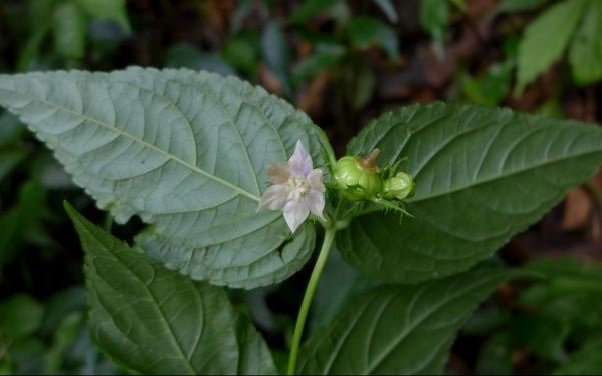
Along with such generalized use, the herb has also been taken to fight digestive problems, as indigestion and stomach pain, nausea and vomiting, diarrhoea and loss of appetite. Codonopsis is thought to have properties similar to ginseng. The Chinese name for codonopsis, dangshen, indicated that it was ginseng from the Shandang region; shen is the key term to describe ginseng or a ginseng-like herb. Like ginseng, codonopsis is referred to as an adaptogen, a substance that non-specifically enhances and regulates the body’s ability to withstand stress.Peptic ulcers are also said to heal when treated with Codonopsis remedies.
People, weakened either by illnesses or by chemo- and radiation therapy, may use this herb to strengthen the body and hasten the recovery. It is stated in some sources that babies can chew the root of the herb during the teething period. Chronic headaches, muscle tension, high blood pressure are all the reasons to take Poor man’s ginseng. Boosting lung function, fighting viral infections, curing cough and other respiratory problems are in the scope of Codonopsis activity too. This herb is often included into the formulas to treat asthma and even cancer and tumours.
 It's good for digestion